Dyslipidemia Decoded
From Labs to Nutrition
Dyslipidemia is more than abnormal lab values.
It is a silent metabolic risk that requires
precise interpretation and targeted nutritional intervention.

Dyslipidemia refers to abnormal levels of blood lipids
that increase the risk of cardiovascular and metabolic diseases.

Dyslipidemia is highly prevalent worldwide.
Genetics, diet, lifestyle, and metabolic disorders
contribute to its development — often without obvious symptoms.

Dyslipidemia is often called the silent killer.
Without early detection, it can lead to atherosclerosis,
cardiovascular disease, and stroke.

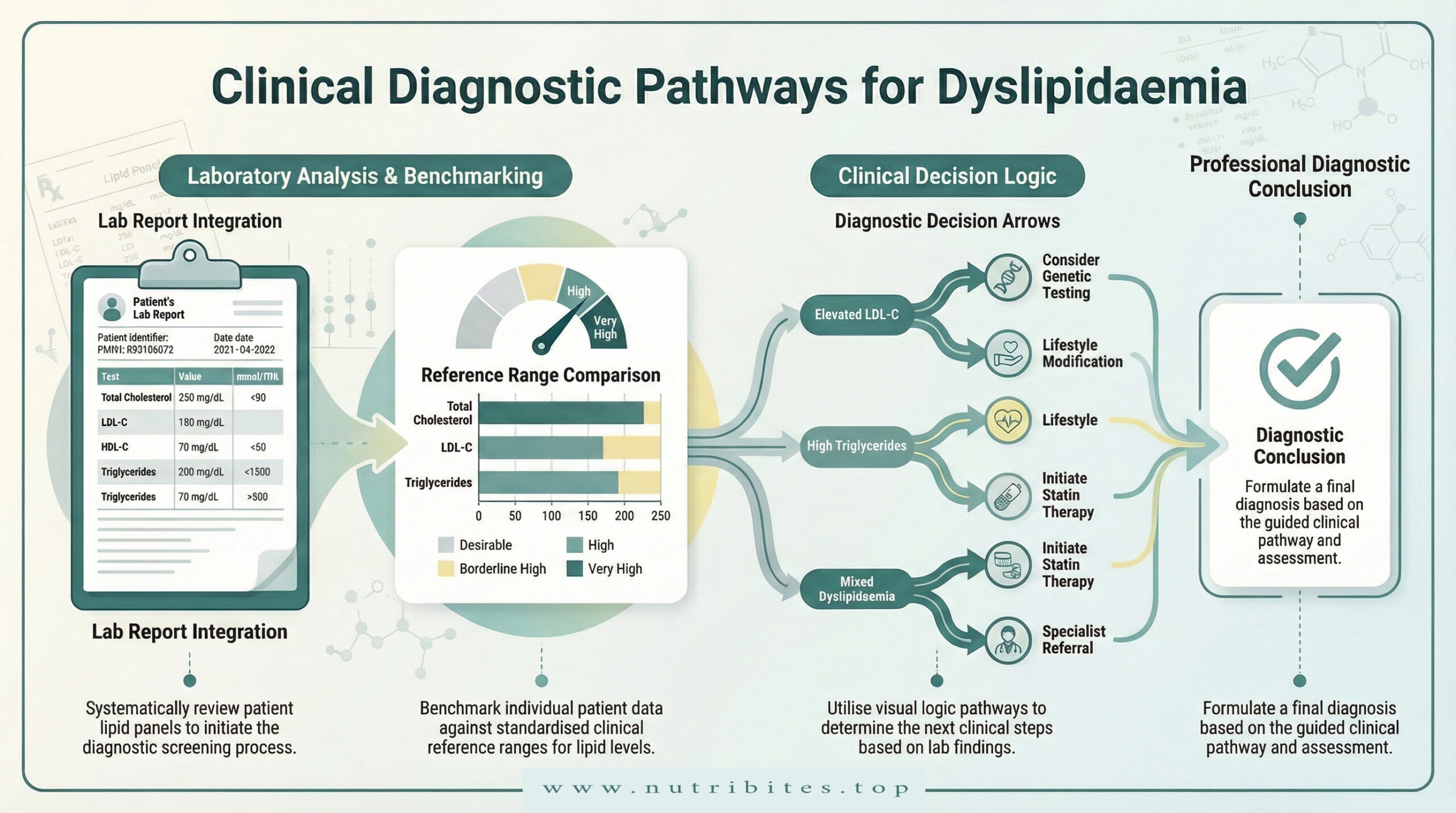
Understanding lipid fractions is essential
for accurate diagnosis and intervention.
LDL, HDL, total cholesterol, and triglycerides
each tell a different clinical story.

Diagnosis depends on accurate laboratory interpretation
combined with clinical context and patient risk factors.
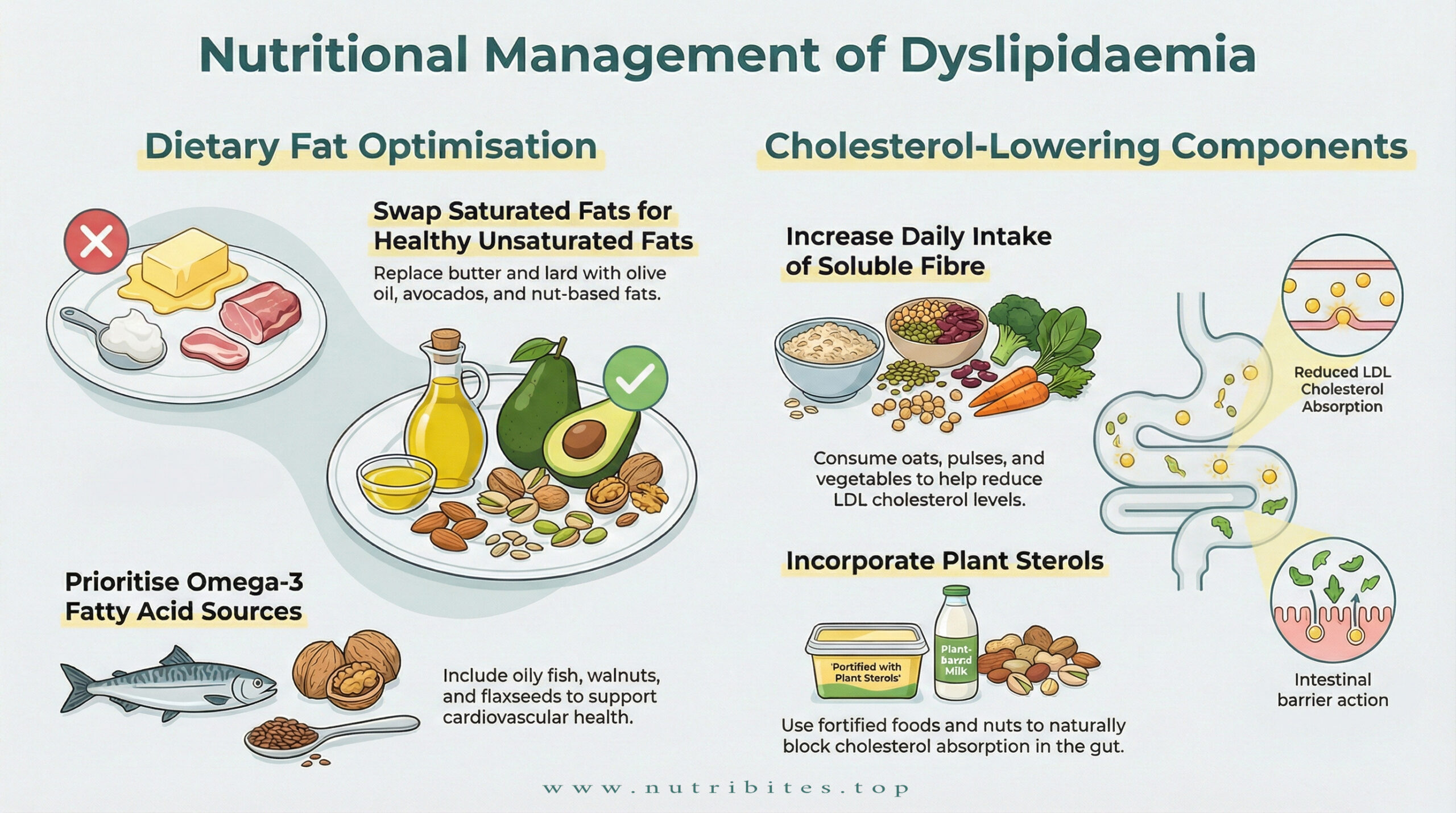
Nutrition is the cornerstone of dyslipidemia management.
Fat quality, carbohydrate type, fiber intake,
omega-3 fatty acids, and plant sterols all play critical roles.
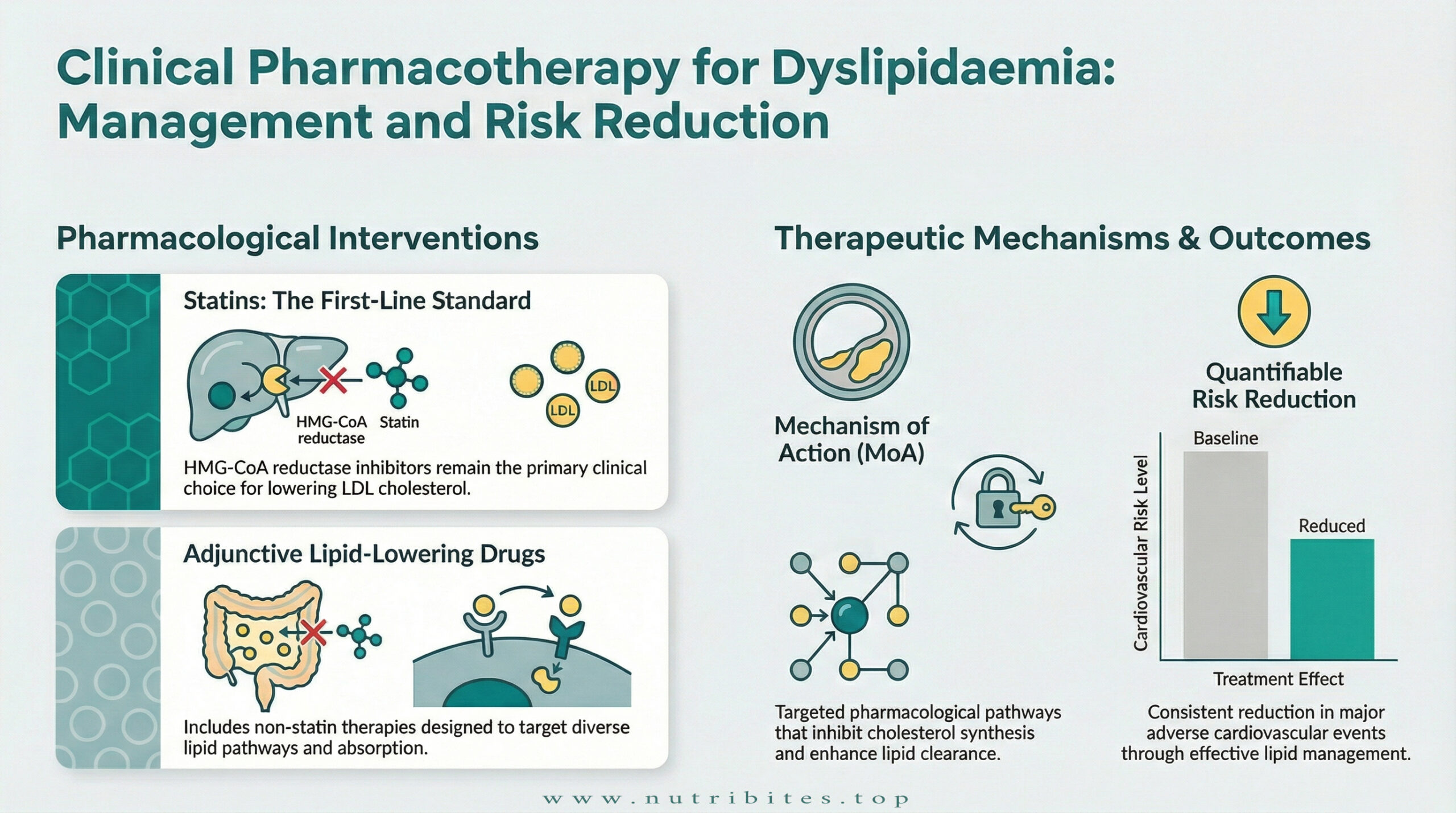
Medications are often required
to reduce cardiovascular risk
when lifestyle modification alone is not sufficient.
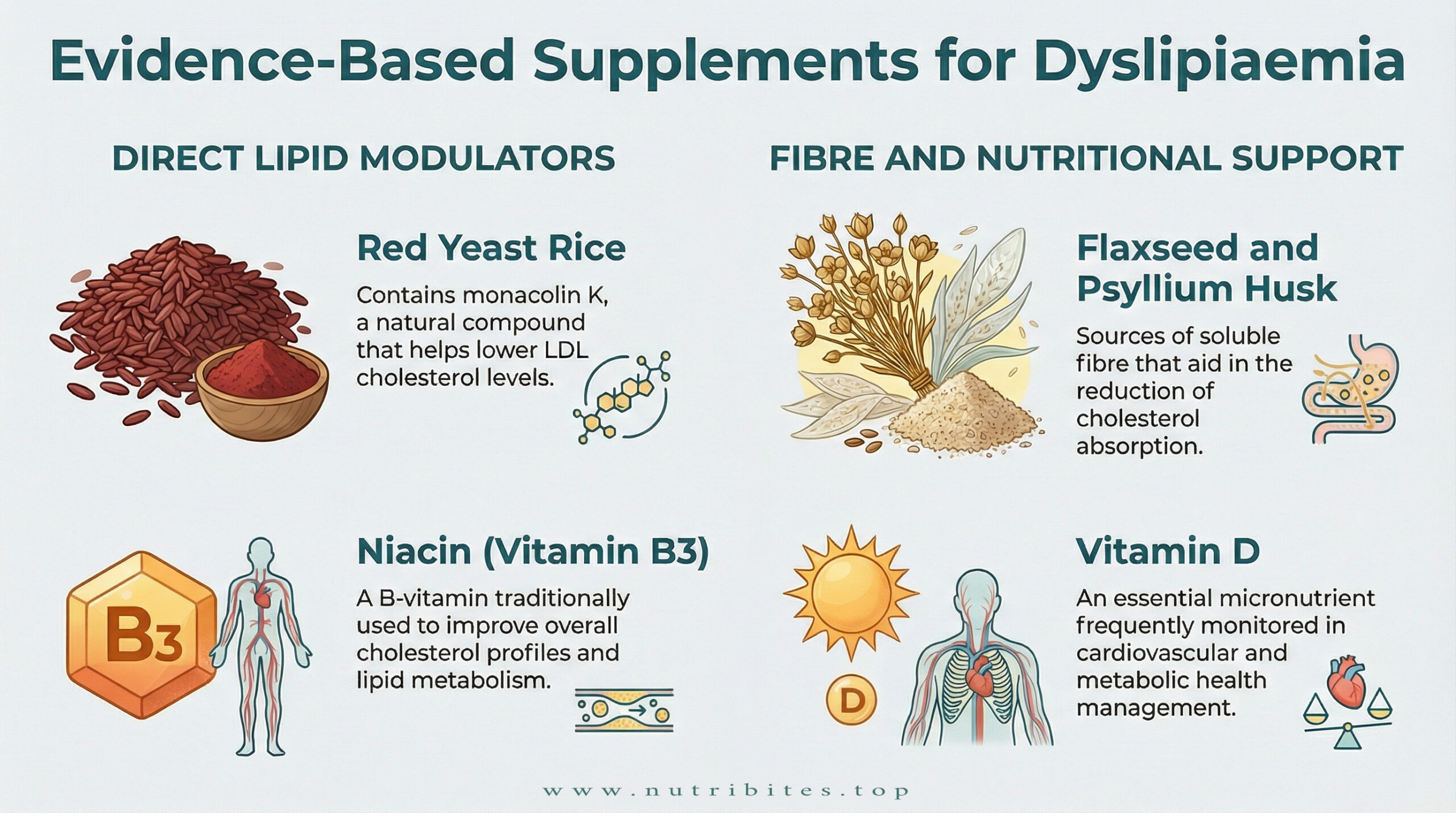
Evidence-based supplementation
can support lipid management
when used appropriately and safely.
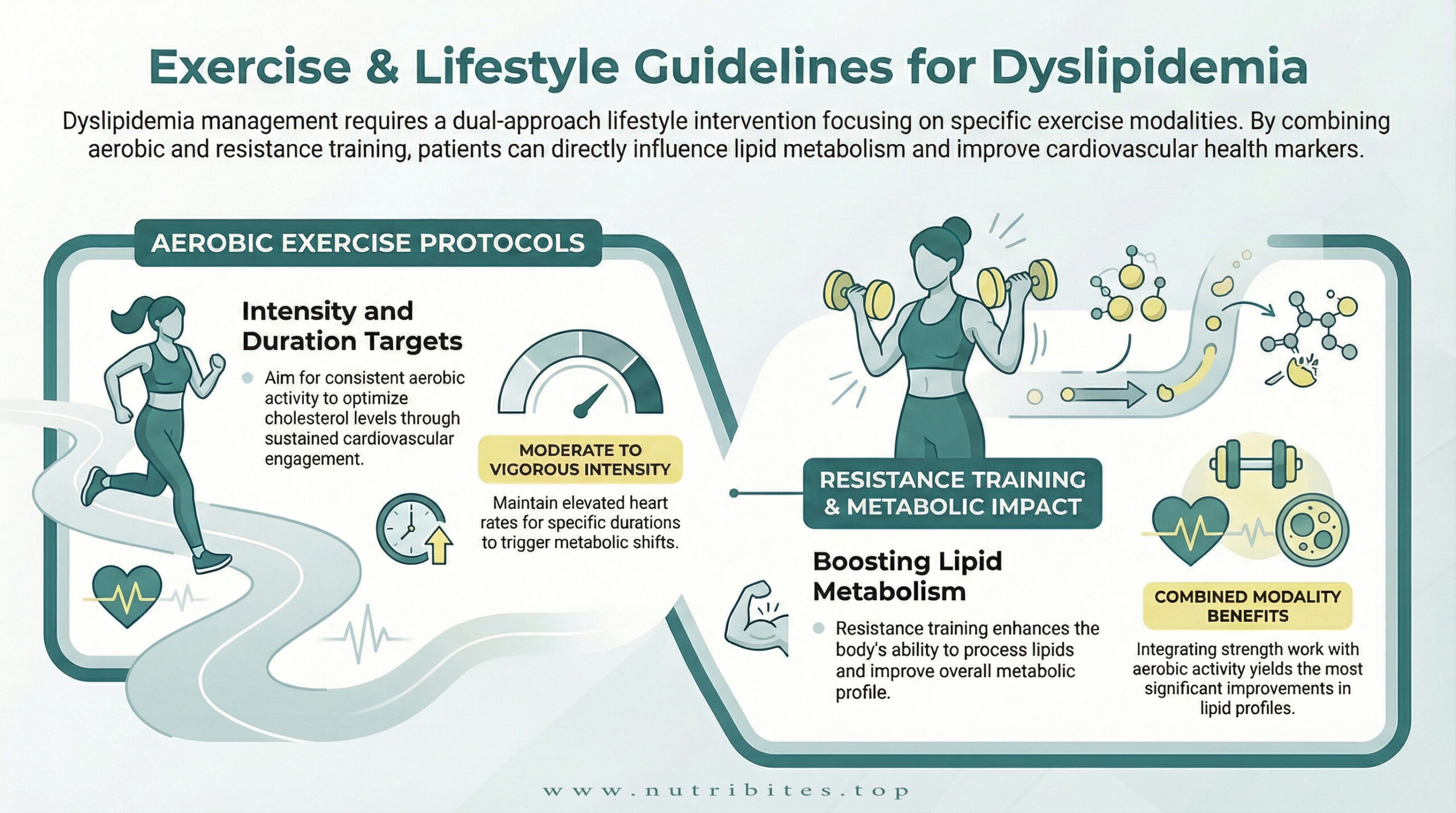
Exercise type, intensity, and duration
significantly influence lipid metabolism
and cardiovascular health.
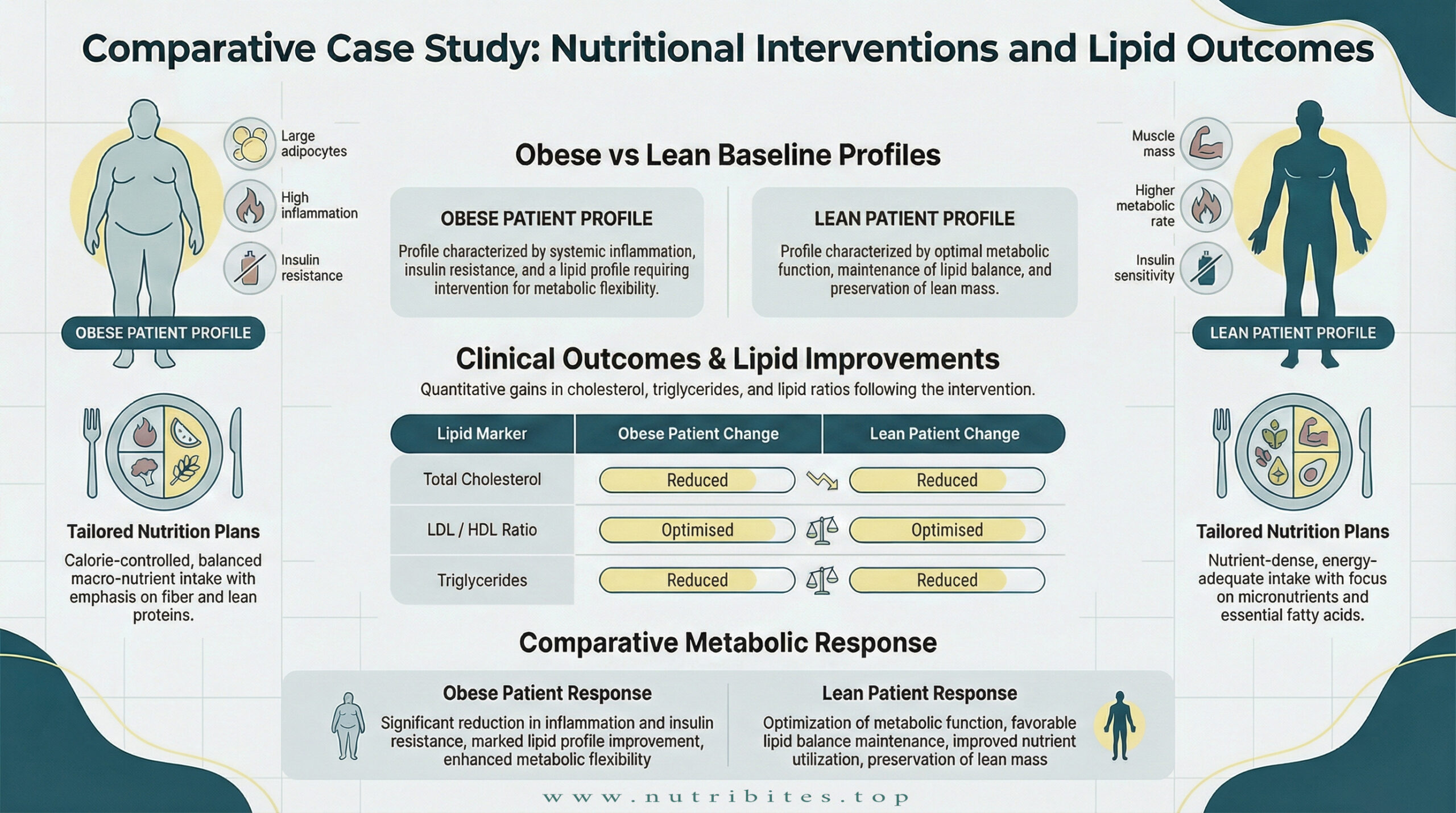
Dyslipidemia presents differently
in obese and lean individuals.
Case studies highlight tailored nutritional strategies.
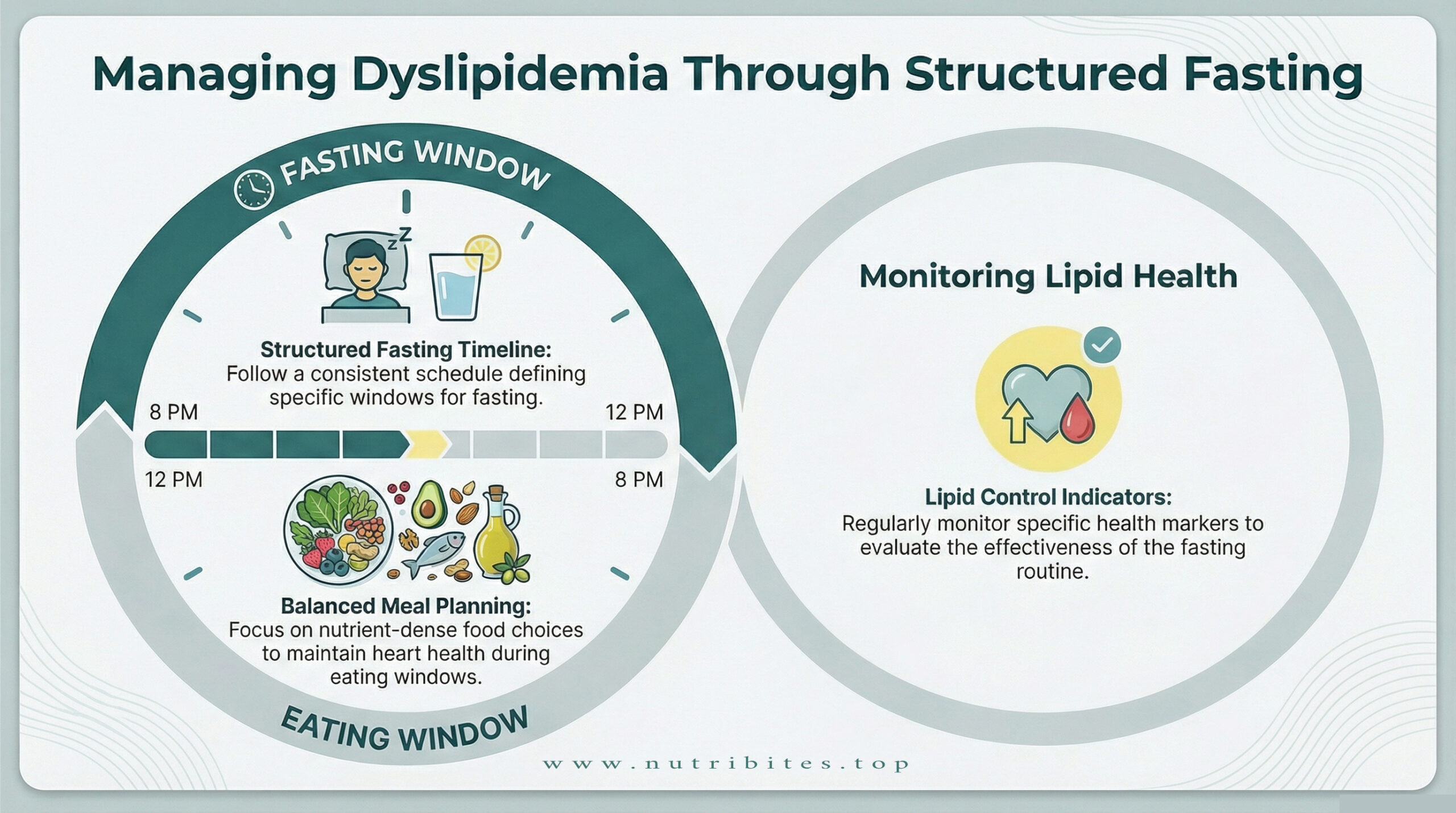
Fasting requires careful nutritional planning
to maintain lipid control and metabolic stability.
Dyslipidemia management starts with understanding.
Decode lab results, design effective nutrition plans,
and reduce long-term cardiovascular risk.
Join the workshop and master dyslipidemia nutrition care.
Dyslipidemia Decoded: From Labs to Nutrition is a comprehensive online workshop for nutrition professionals focusing on lipid disorders, lab interpretation, evidence-based nutrition therapy, supplements, exercise, and real clinical case studies for both obese and lean patients.
Course Content
Day 1
-
video 1
-
video 2
-
video 3
-
video 4
-
video 5
-
video 6
-
video 7
-
video 8
-
video 9
Day 2
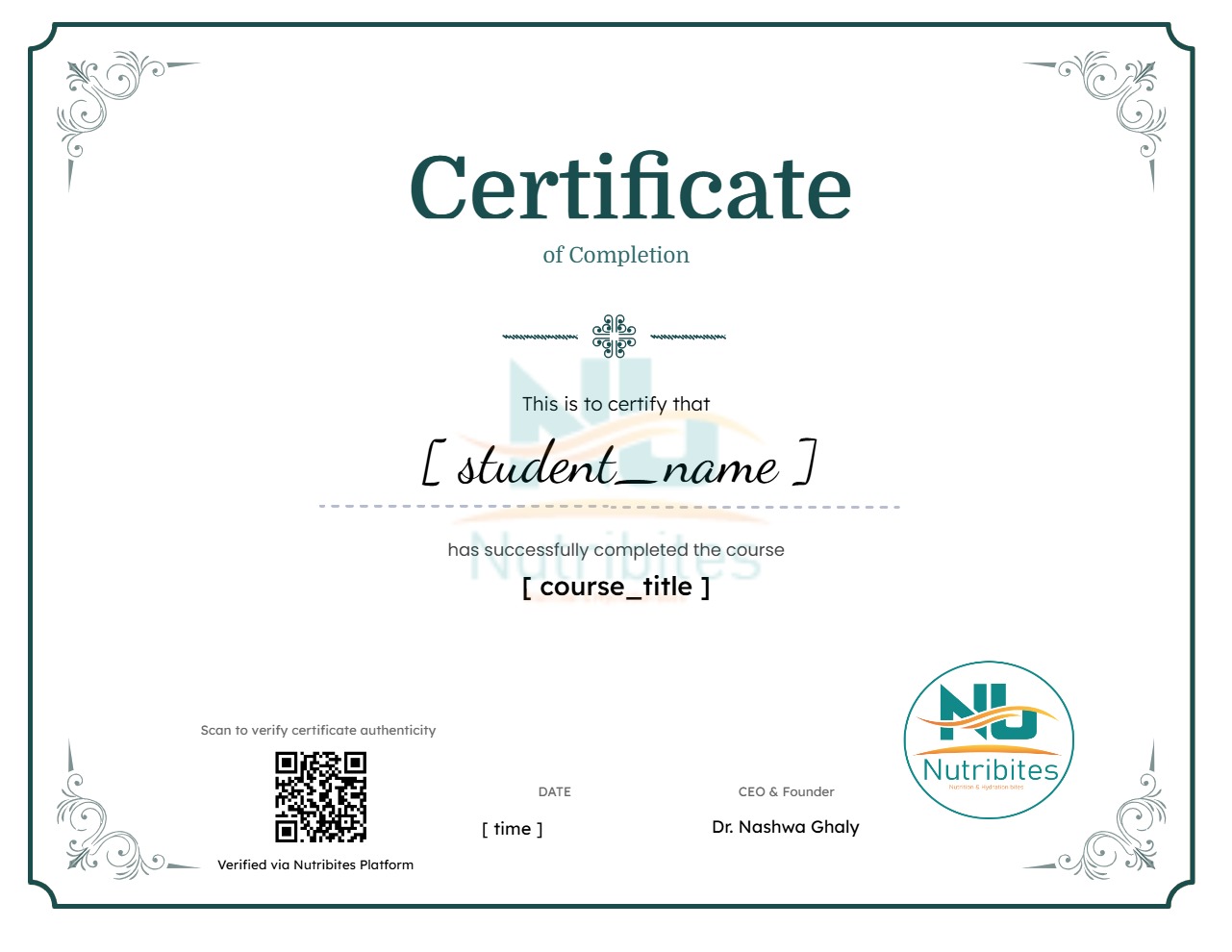
Earn a certificate
Add this certificate to your resume to demonstrate your skills & increase your chances of getting noticed.


 Lessons: