Drug–Nutrient Interactions
Where Pharmacology Meets Clinical Nutrition
Medications do not act in isolation.
Nutrients can alter drug efficacy, absorption,
and patient outcomes — sometimes silently.
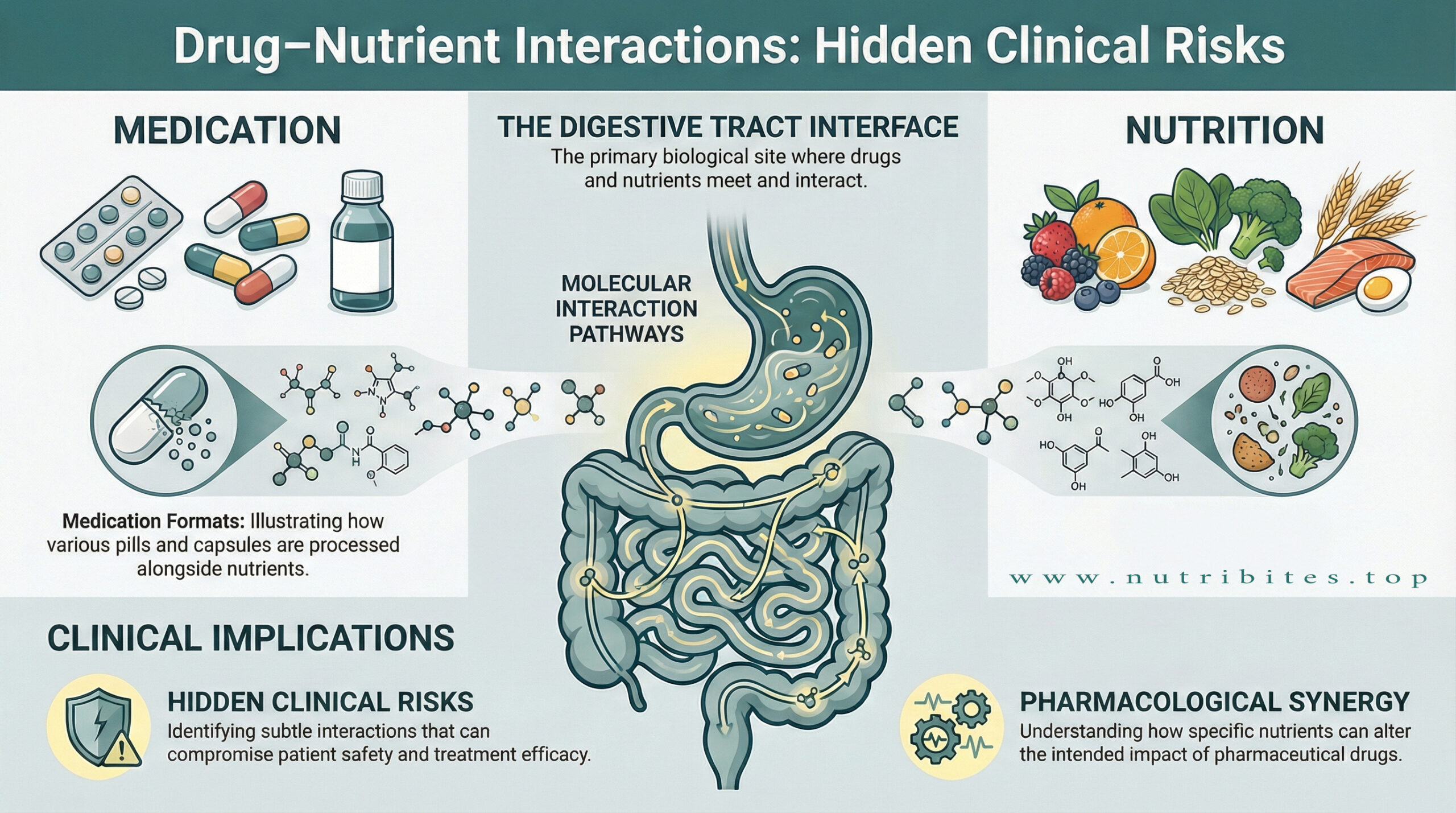
Drug–nutrient interactions occur
when foods, nutrients, or enteral formulas
alter drug action or patient response.
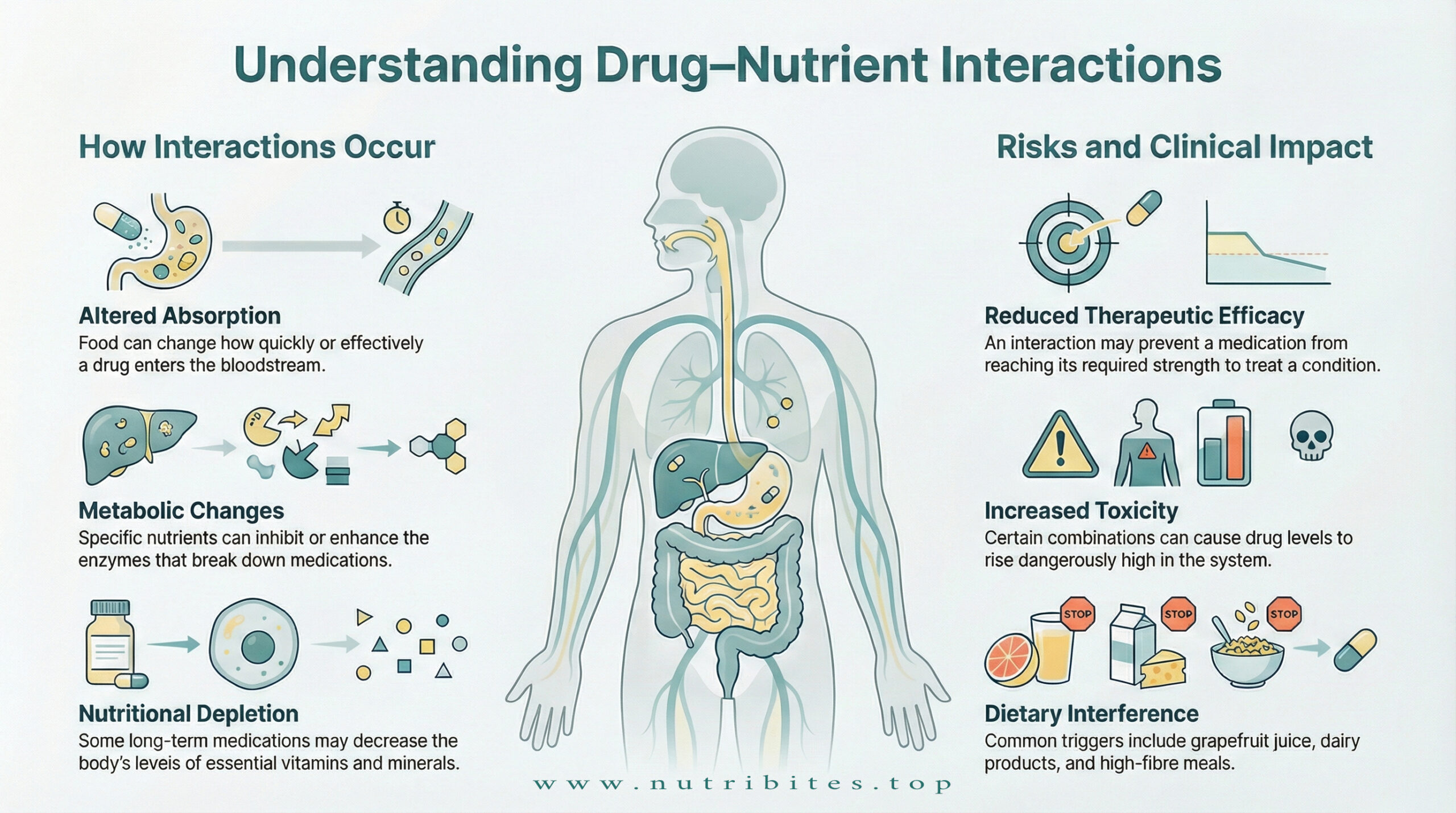
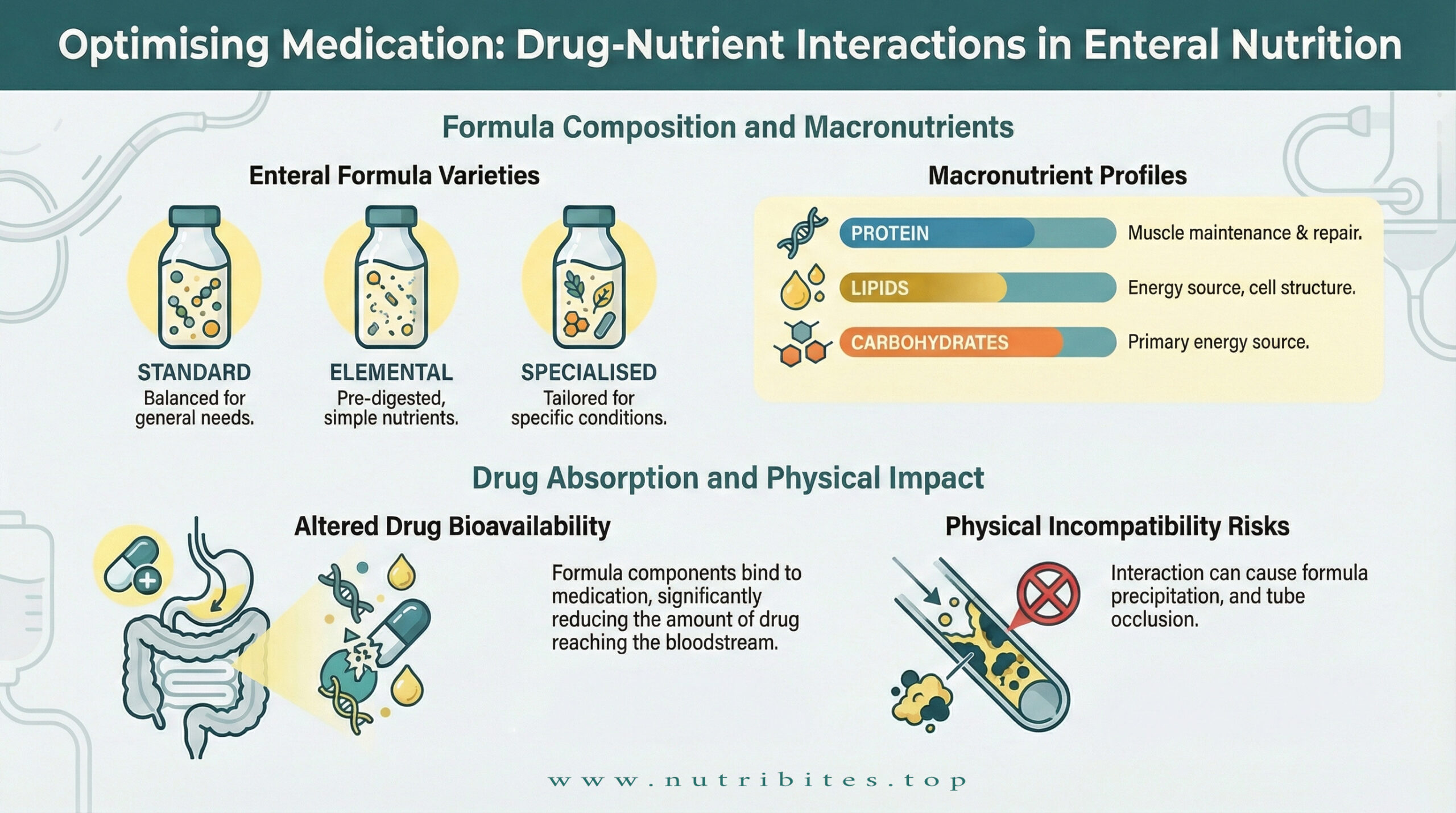
Physical interactions occur
when drugs bind to nutrients or formulas,
reducing absorption or stability.
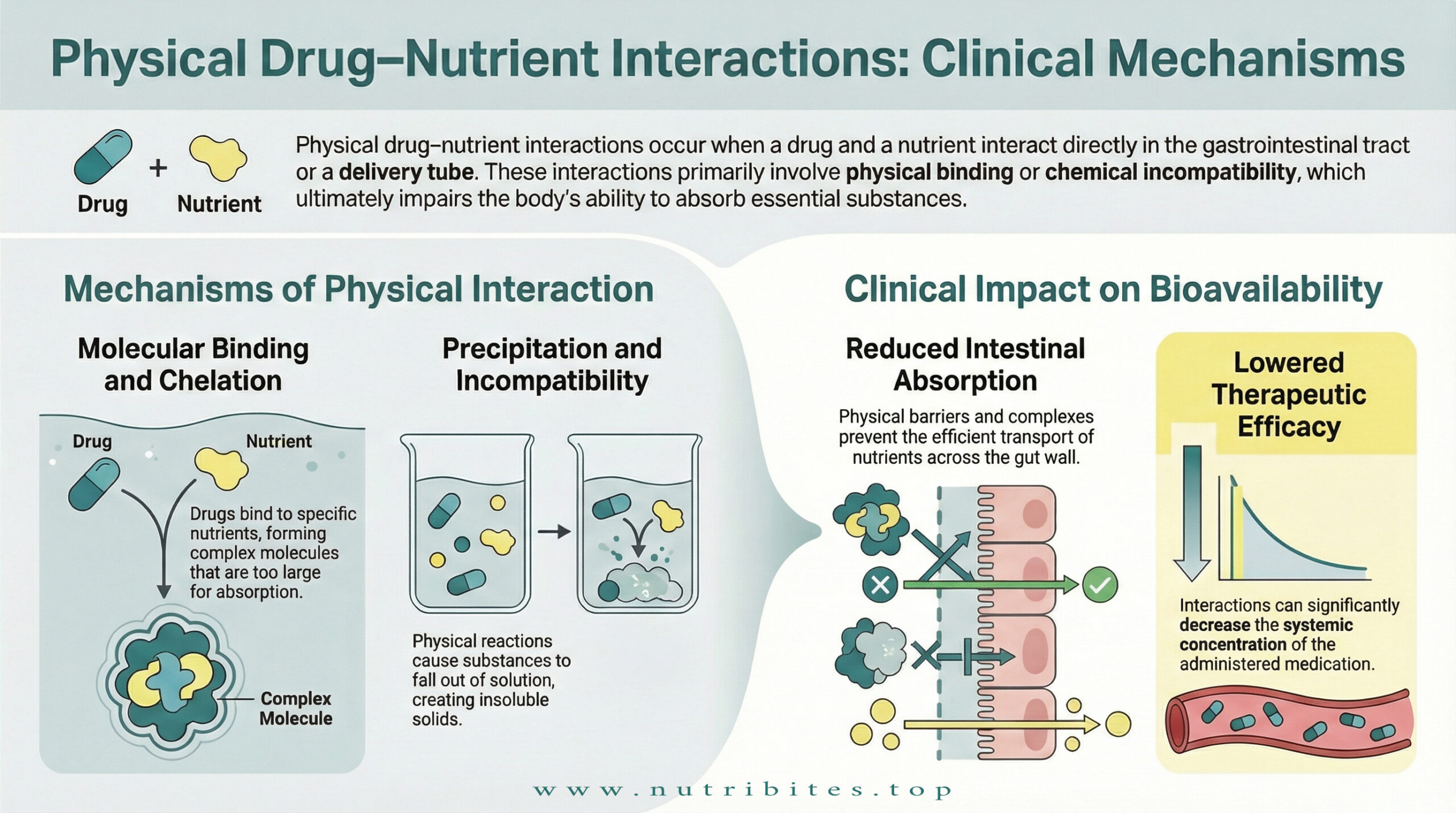
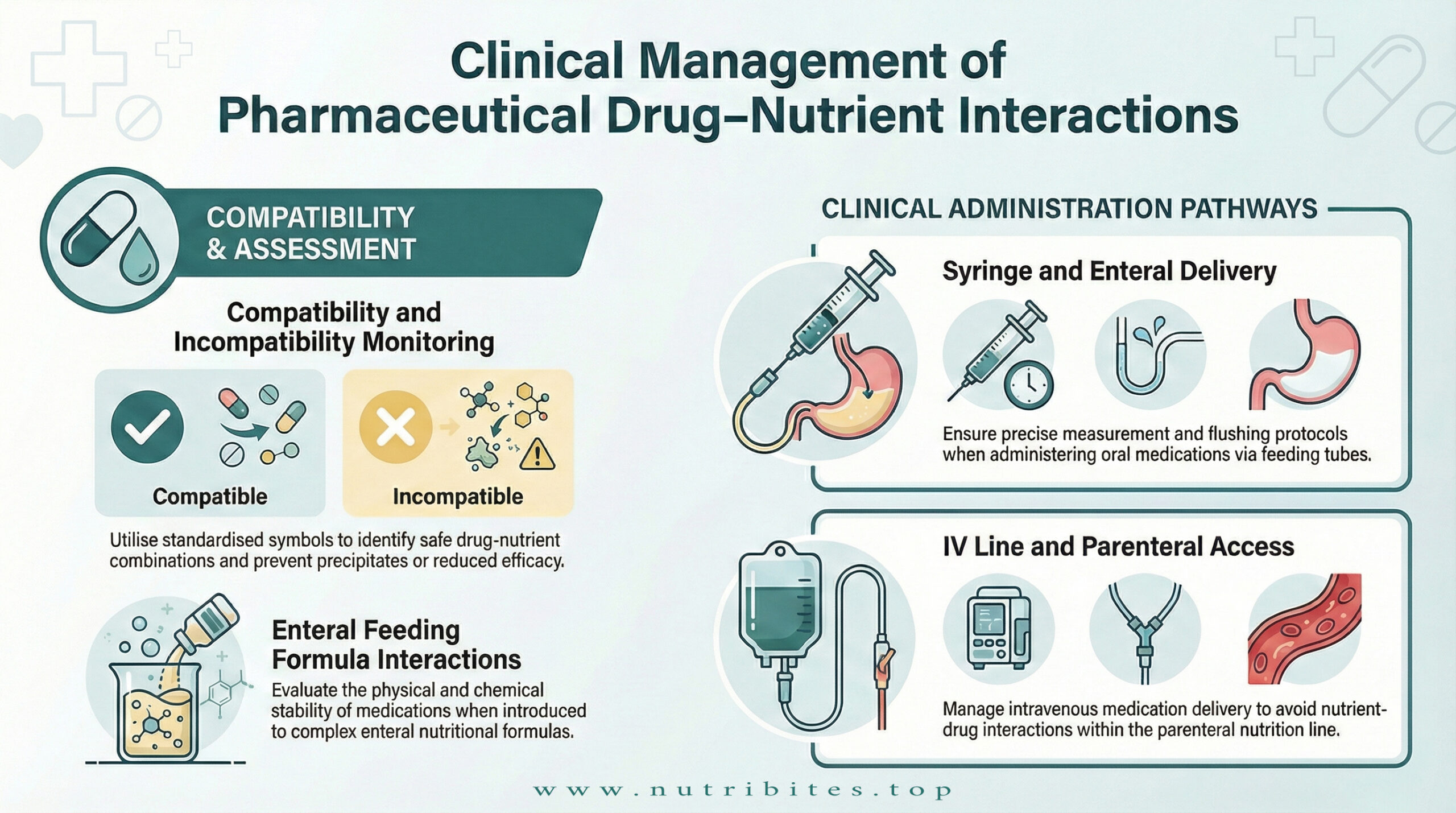
Pharmaceutical interactions involve changes
in drug formulation, stability, or compatibility
when mixed with nutrients or feeding formulas.
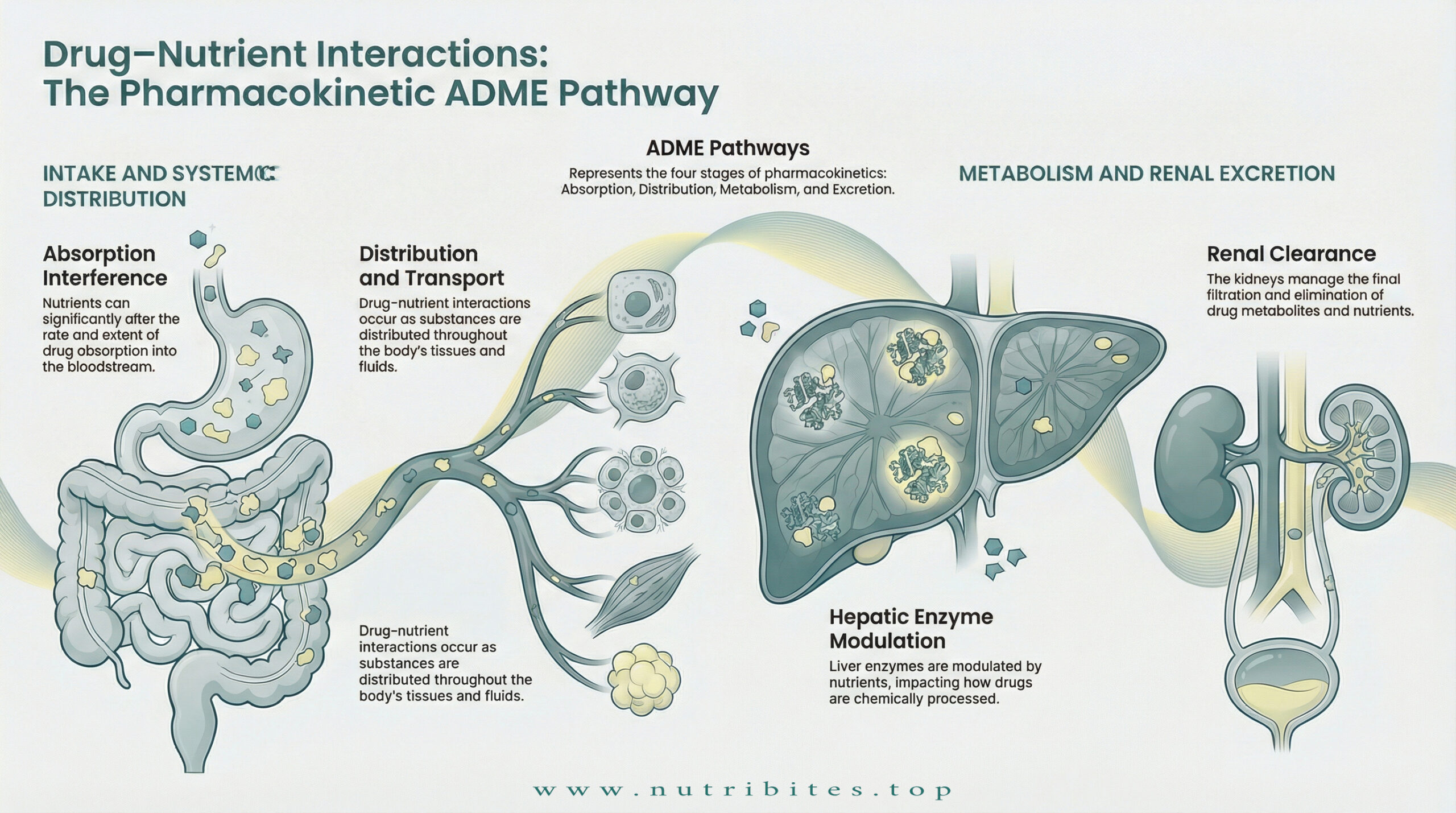
Nutrients can affect drug absorption, distribution,
metabolism, and excretion — altering therapeutic outcomes.
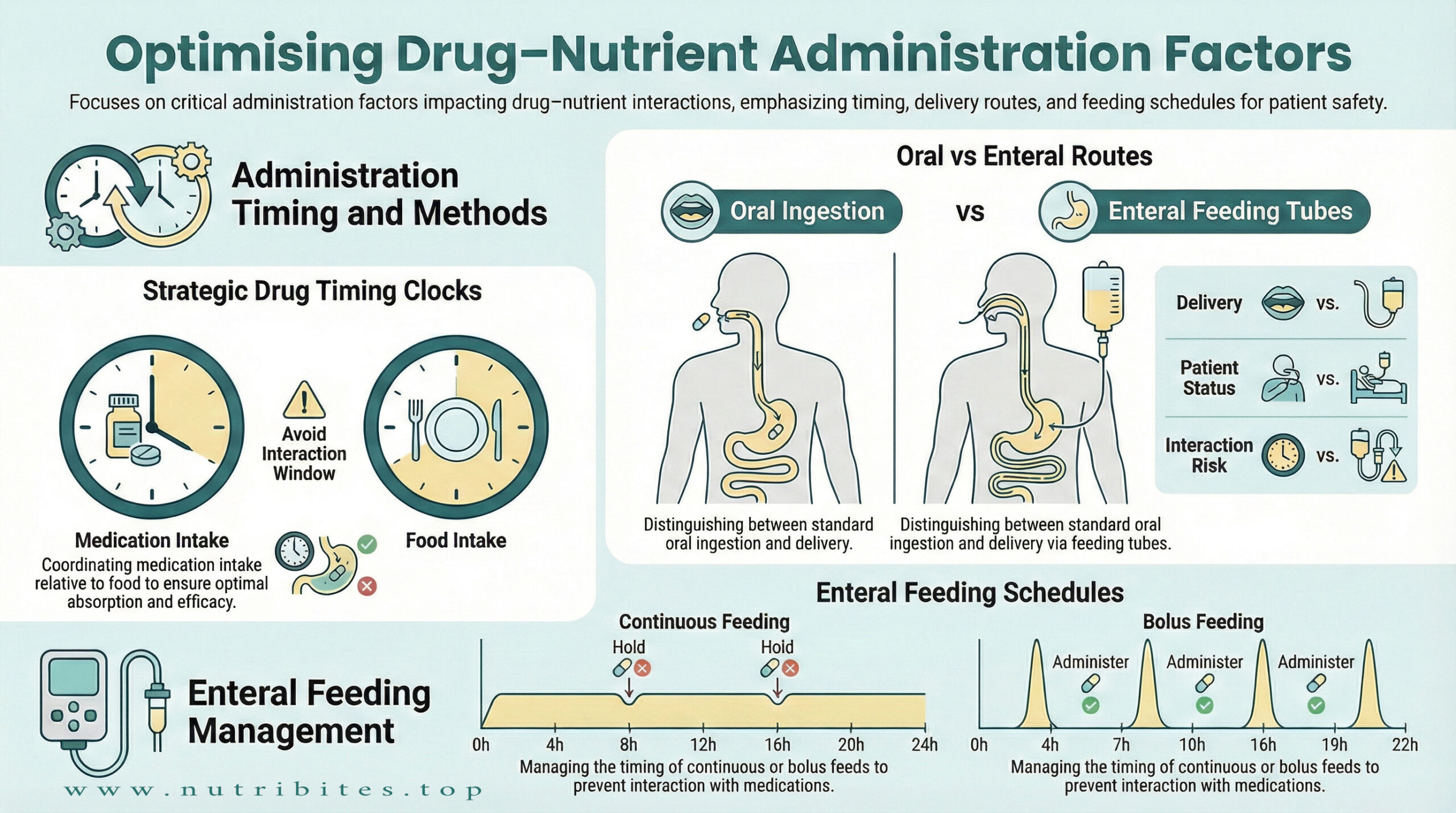
Timing, route of administration,
and feeding schedules can significantly influence
drug–nutrient interactions.
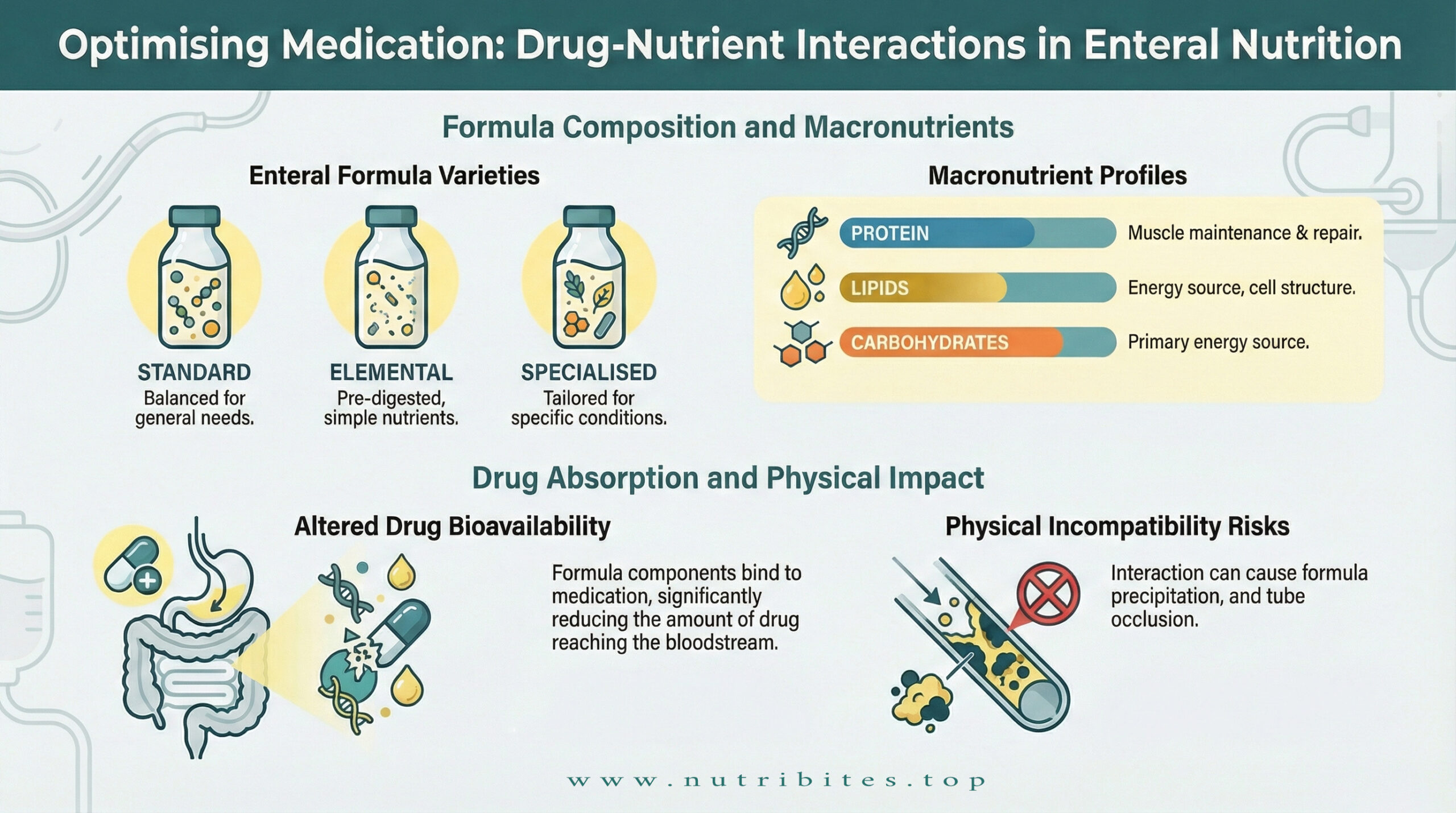
Enteral formulas differ in composition.
Protein, fat, fiber, and mineral content
can modify drug bioavailability.
Disease states alter digestion, metabolism,
and drug handling — increasing interaction risks.
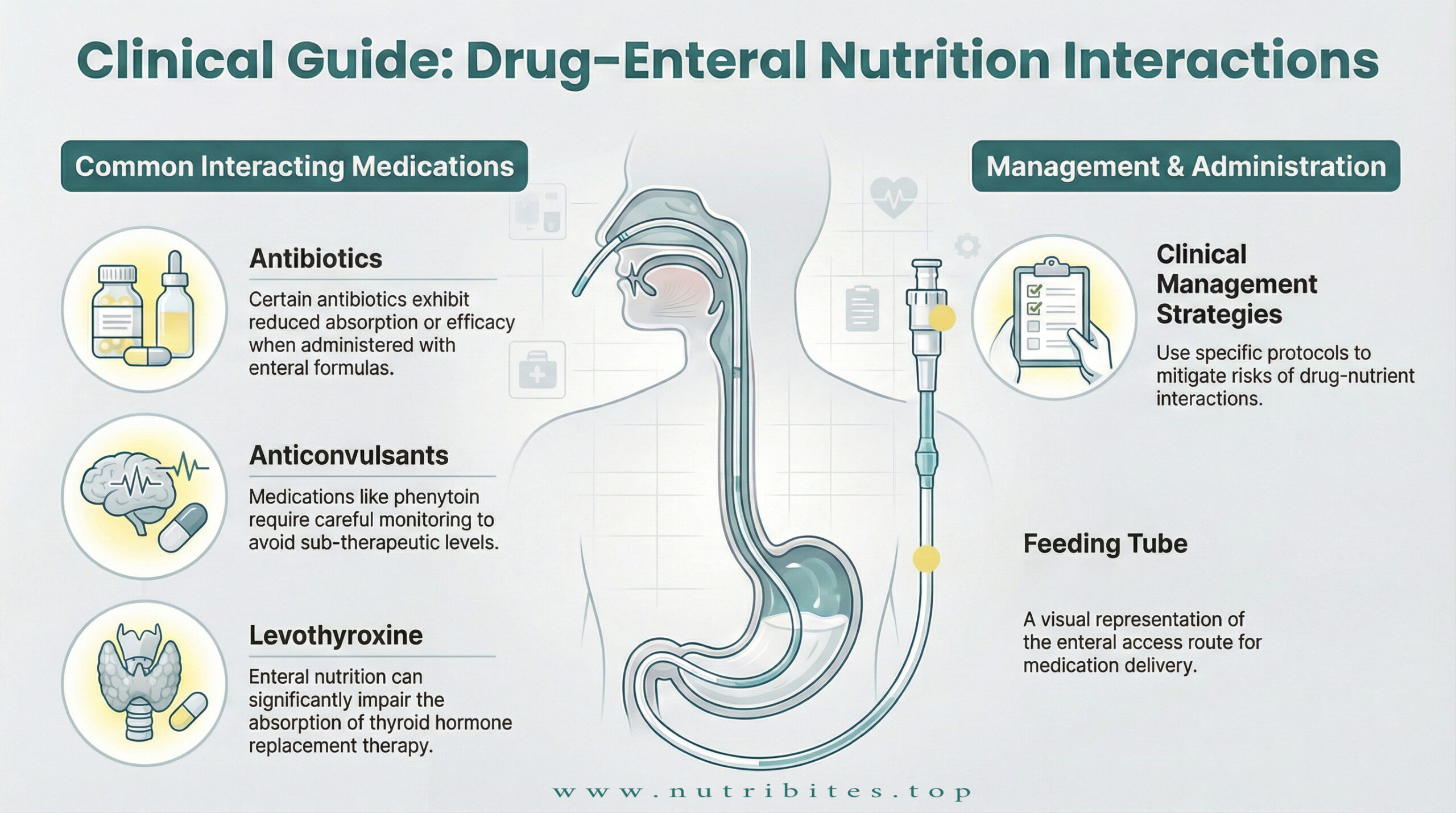
Certain medications have well-documented
interactions with enteral nutrition,
requiring careful clinical management.
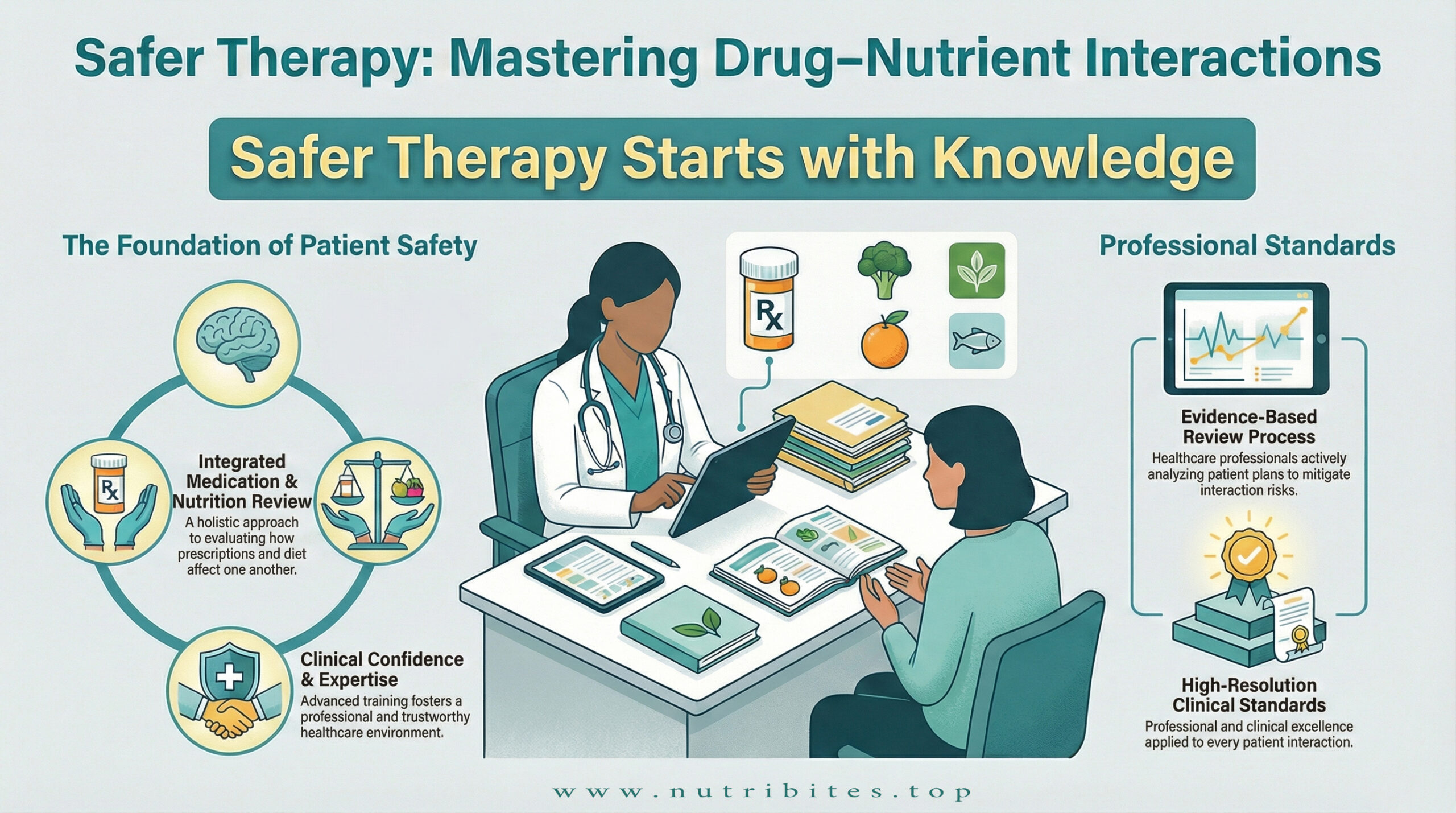
Understanding drug–nutrient interactions
is essential for patient safety and therapeutic success.
Master the intersection between pharmacology and nutrition.
In this comprehensive course, we dive deep into the world of Drug-Nutrient Interactions.
We start by understanding the basic concepts and move into the different types of interactions such as physical, pharmaceutical, and pharmacokinetic interactions.
We’ll explore how drug administration methods, formula-related factors, and disease conditions can alter nutrient absorption and drug efficacy.
Special focus will be given to specific drug and enteral nutrition (EN) interactions that healthcare professionals must know.
This course is a must-watch for clinical nutritionists, pharmacists, physicians, and healthcare students aiming to enhance their expertise in drug-nutrient management.
Don’t forget to like, share, and subscribe for more professional clinical nutrition content!
Course Content
lec 1: Intro
-
Video
lec 2: physical interactions
lec 3: pharmaceutical
lec 4: Pharmacokinetic interactions
lec 5: Administration related factors
lec 6: Formula related Factors
lec 7: Disease related factors
lec 8: Specific drugs-EN interactions
Earn a certificate
Add this certificate to your resume to demonstrate your skills & increase your chances of getting noticed.


 Lessons: